The deadly spider that could protect your heart
Australian researchers found a molecule in funnel-web spider venom that could limit damage after heart attacks.

What if one of Australia’s most dangerous spiders could transform heart attack and stroke treatment?
The research
Within minutes of a heart attack or stroke, heart and brain cells begin to die. Once they’re gone, the body has only limited capacity to replace them.
Researchers around the world are seeking ways to protect tissue in those critical moments, before irreversible damage occurs.
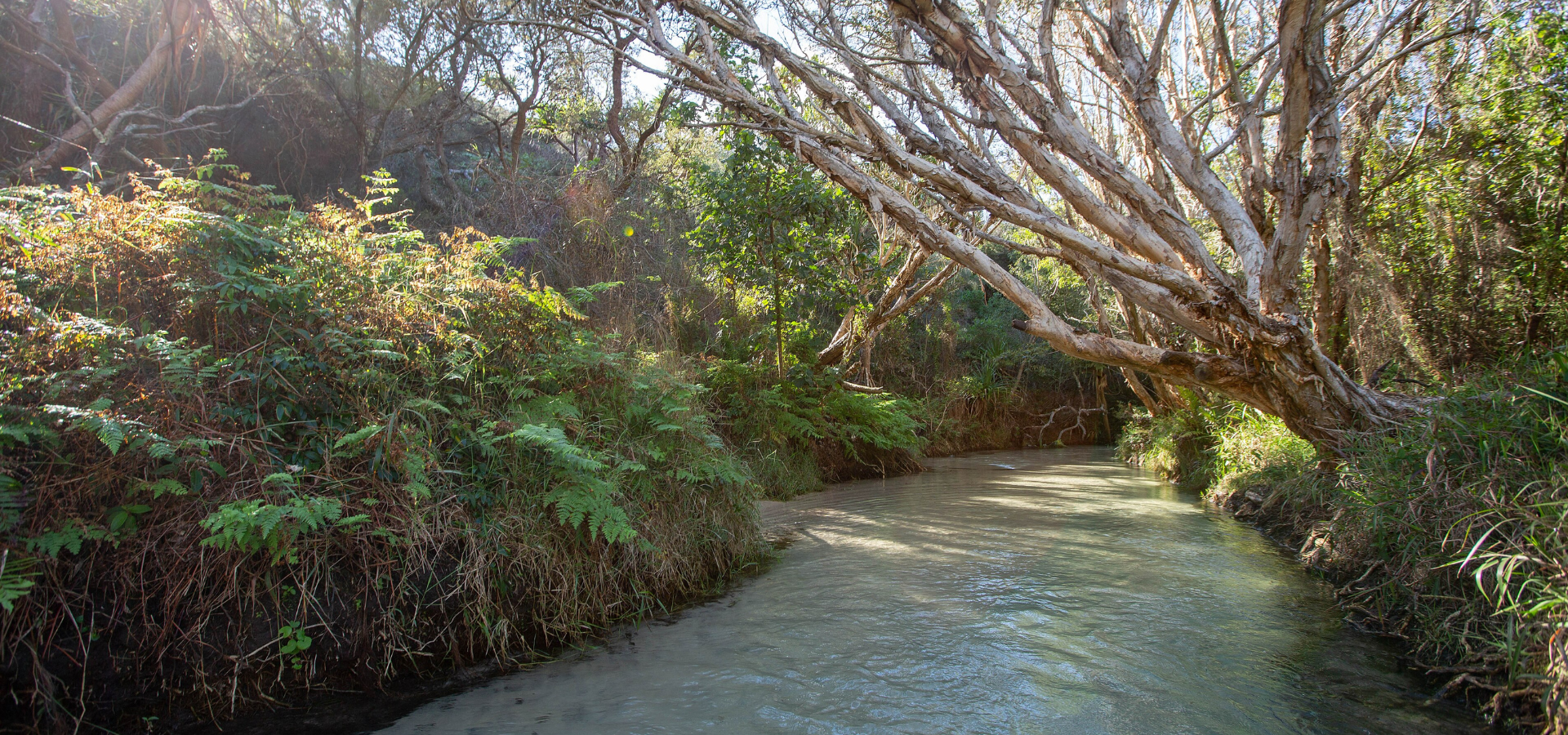
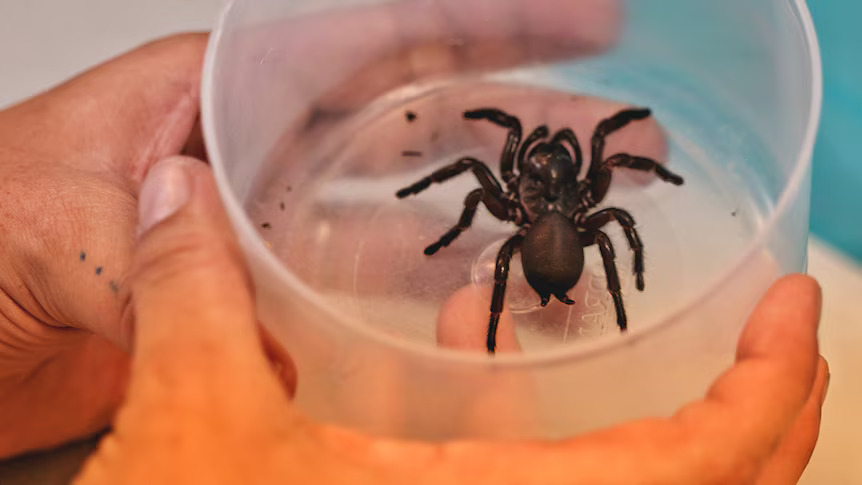
The search has taken them to the beaches and rainforests of the world’s largest sand island, K’gari, home to a deadly funnel‑web spider. Its venom can kill – but maybe, it can also save lives.
University of Queensland’s Professor Glenn King FAA has been investigating spider venoms for 30 years. His ‘Bugs and Drugs’ team’s most striking find yet is a molecule in the K’gari funnel-web spider’s venom called Hi1a.
In the lab, Hi1a blocked the signals that trigger cell death when oxygen is cut off. This could help limit damage after a heart attack or stroke.
The development
The next challenge is working out whether Hi1a works safely and effectively in people.
To investigate its potential as a drug treatment for heart attack and stroke, Professor King co-founded the biotech company Infensa Bioscience to take Hi1a from the lab to the clinic.
Backed by private, philanthropic and government funding, Infensa Bioscience completed the first human clinical trials of a modified version of Hi1a in early 2026.
If the drug continues to perform as hoped over the next trial phases, it could transform how we protect the heart and brain.
It could make a life-changing – or even life-saving – difference for the thousands of Australians who have a heart attack or stroke every year.
Is the next breakthrough at risk?
Breakthroughs like this don’t happen overnight. They are the result of years or decades of discovery research supported by sustained investment.
Australia now invests significantly less in research and development than the OECD average. Without proper funding, discoveries like this one will never make it out of the lab.
Send a message now and tell decision-makers: restore investment in Australian science.
Sources
Department of Health and Aged Care (Australia). Funnel‑web spider venom may provide a new drug for heart attacks. Medical Research Future Fund overview, 2022.
https://www.health.gov.au/news/mrff-funnel-web-spider-venom-may-provide-a-new-drug-for-heart-attacksThe University of Queensland. (8 January 2026). Heart hope as potential funnel-web venom drug enters clinical trial. https://news.uq.edu.au/2026-01-heart-hope-potential-funnel-web-venom-drug-enters-clinical-trial
The University of Queensland. (n.d.). Bugs and drugs. https://imb.uq.edu.au/research-groups/king
Feature image Eli Creek K'Gari - Wikimedia Commons