How understanding a virus helped prevent cervical cancer
Australian immunology research led to the HPV vaccine now preventing cervical cancer worldwide.

Australia is on track to make cervical cancer a rare occurrence, thanks to a vaccine built on decades of research.
The research
It’s an infection so common that some 80–90% of us will carry it at some point in our lives – usually without even knowing. Yet for some, the human papillomavirus (HPV) lingers, and can even lead to deadly cancer.
By the early 1980s, research had found that almost all cervical cancers were caused by persistent infection by certain high-risk HPV strains.
Australian immunologist Professor Ian Frazer became interested in how and why. Together with virologist Jian Zhou, he set out to produce an HPV ‘shell’ that would enable them to understand this by studying the virus, its genes and its mechanisms.
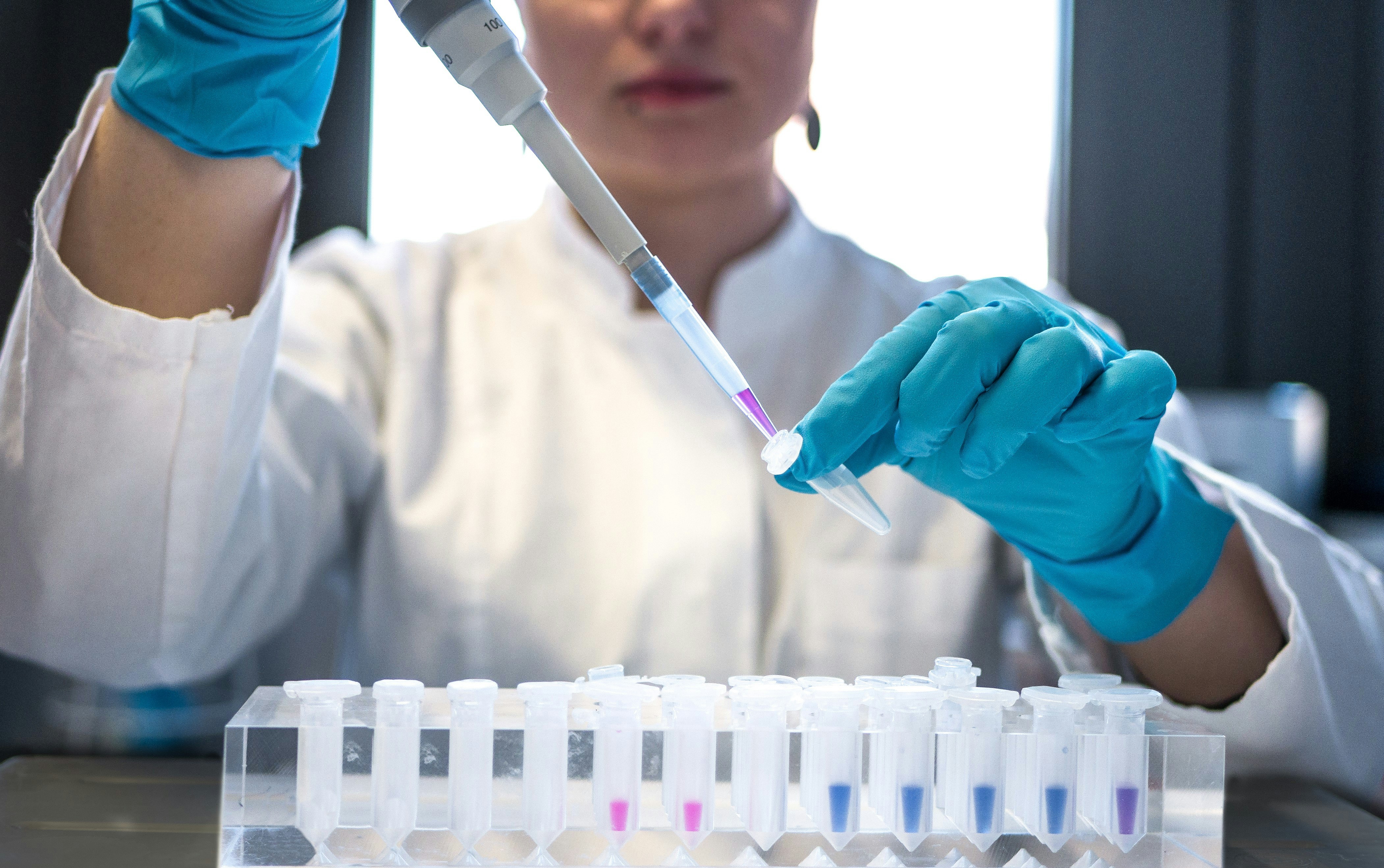
Based at the University of Queensland, the team led by Frazer and Zhou succeeded at assembling a ‘virus-like particle’ (VLP) composed of HPV surface proteins. The VLP looked like HPV but didn’t contain any virus genetic material. This meant it could safely trigger an immune response without causing infection.
Frazer and the team quickly realised this VLP could form the basis of a vaccine – a way to prevent HPV infection, and therefore cancer. They filed the patent for the VLP technology in 1991. A project that sought to understand fundamental questions about the virus and the immune system had revealed a way to stop cervical cancer before it began.
The development
Turning that discovery into a usable vaccine required years of further development and investment. The VLP approach had to be refined, tested, and shown to be safe and effective in people. The VLP technology was licensed first to Australian biotech company CSL to progress vaccine development. Then, the vaccine was sub-licensed to pharmaceutical giant Merck for the large-scale global clinical trials needed for regulatory approval.
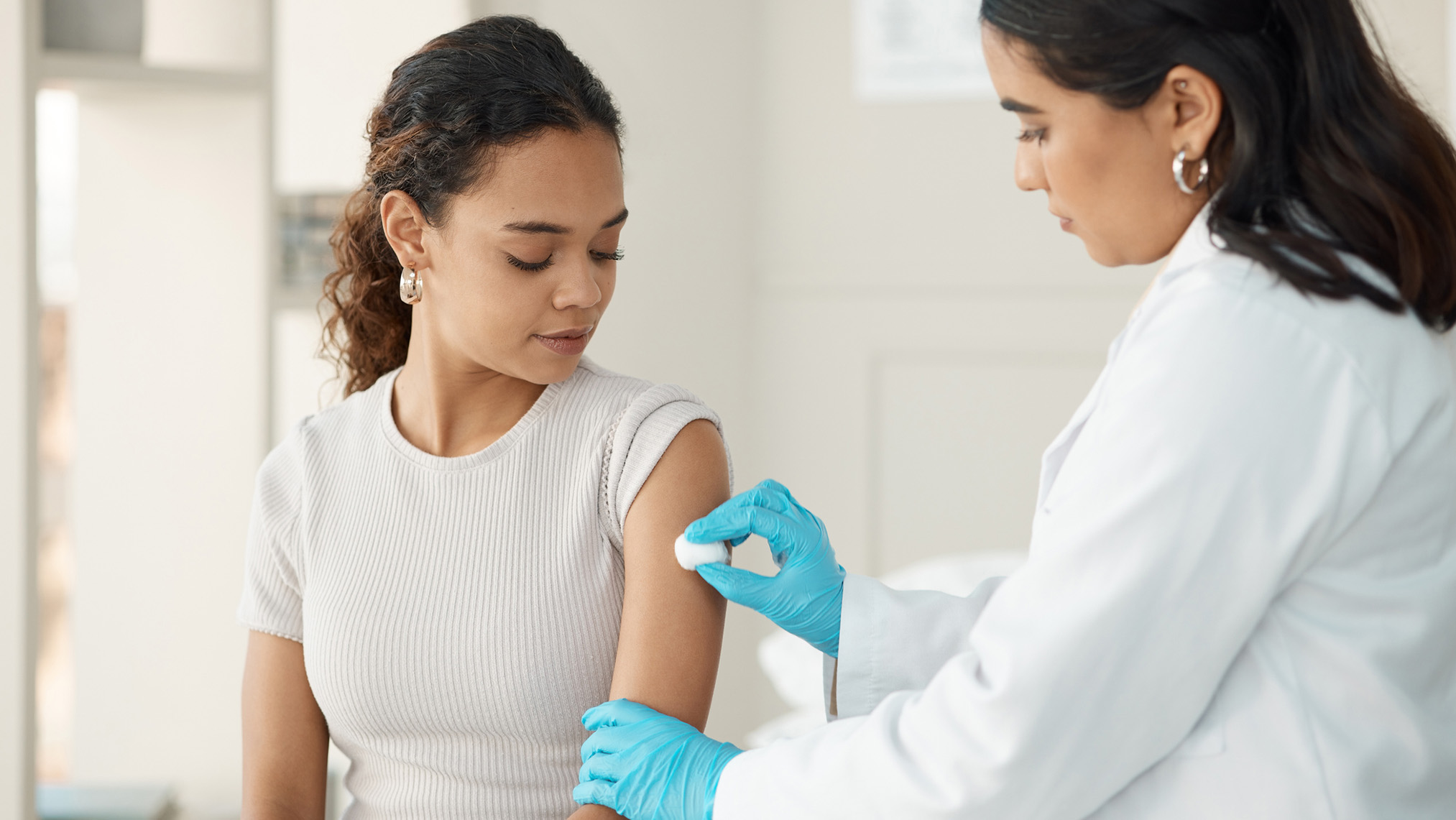
In this way, the HPV vaccine moved from laboratory concept to clinical trials to public health tool. In 2007, Australia’s free national HPV vaccination program began with Gardasil. In 2018, a second-generation Gardasil vaccine was rolled out, targeting nine different HPV strains.
Its impact has been profound. In countries with strong vaccination programs, rates of HPV infection have fallen sharply, and early signs of cervical cancer have declined with them.
In Australia, this long arc of research and development has led to a remarkable outcome: zero cases of cervical cancer in women under 25 in 2021. Australia is now on track to make cervical cancer so uncommon that it’s no longer considered a major public health problem. The curiosity-driven research into how the immune system responds to a virus has now become one of the most effective cancer-prevention tools ever developed.
Is the next breakthrough at risk?
Breakthroughs like this don’t happen overnight. They are the result of years or decades of discovery research supported by sustained investment.
Australia now invests significantly less in research and development than the OECD average. Without proper funding, discoveries like this one will never make it out of the lab.
Send a message now and tell decision-makers: restore investment in Australian science.
Sources
University of Queensland. Lifesaving legacy: the cervical cancer vaccine. UQ Contact Magazine, 2022. https://stories.uq.edu.au/contact-magazine/2022/lifesaving-legacy-hpv-vaccine/index.html
Frazer, I.H. The HPV vaccine story. (2019). ACS Pharmacology & Translational Science, 2(3), 210–212. https://doi.org/10.1021/acsptsci.9b00032