How we cleared a great barrier to reef protection
Australian scientists uncovered why corals break down under heat stress, reshaping reef protection.
The future of the world’s coral reefs may depend on what Australian scientists discover next.
The research
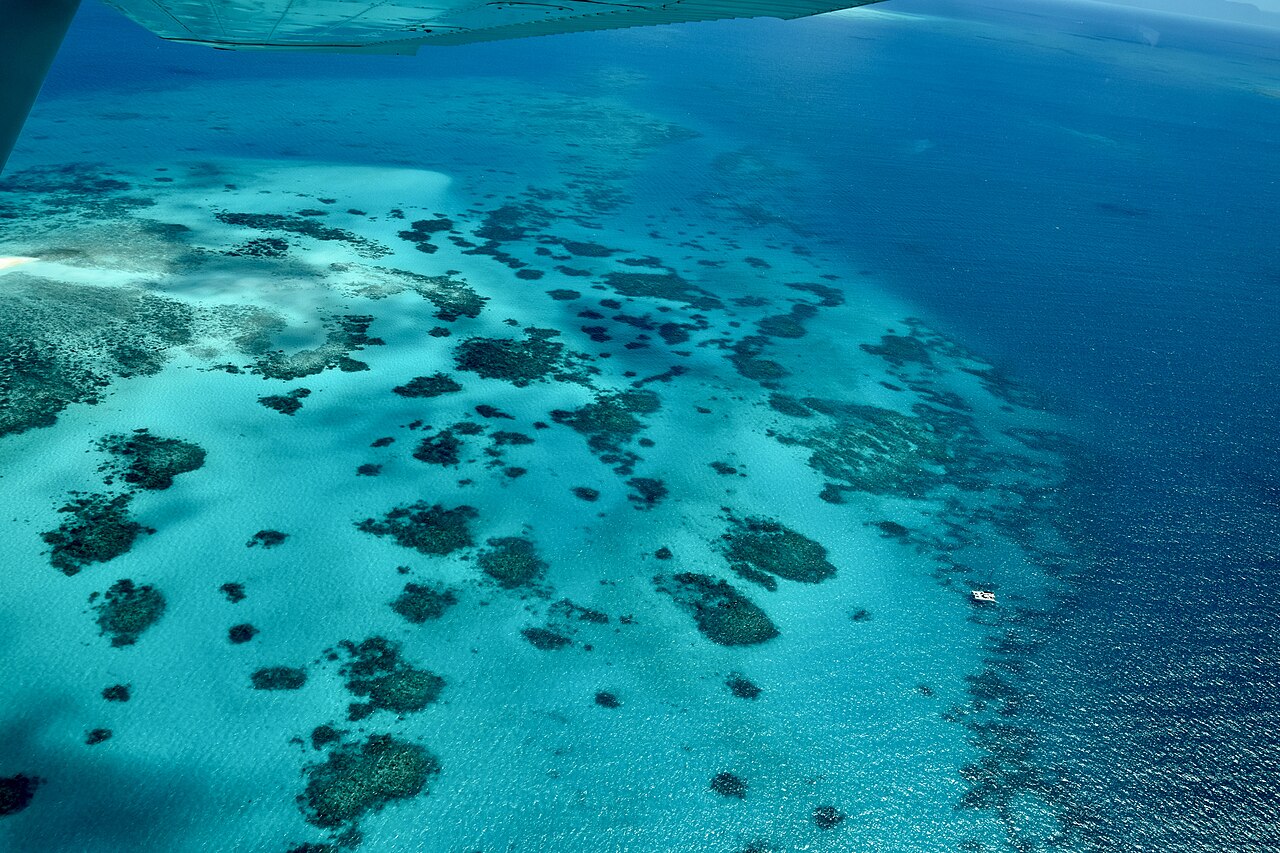
For thousands of years, life across vast stretches of Australian coastline has been shaped by coral reefs, including the iconic Great Barrier Reef. This makes Australia one of the best places in the world to study the complexity and diversity of coral reefs.
On reef Country, Traditional Owners have tracked seasonal shifts, observed reef behaviour and adapted to change – building deep ecological knowledge over generations. In recent decades, western science too has sought to understand coral reefs: the Australian Institute of Marine Science spearheads one of the world’s longest-running monitoring programs on the Great Barrier Reef, tracking coral cover for more than 35 years.
Now, as climate change threatens the very existence of these remarkable ecosystems, research is high stakes.
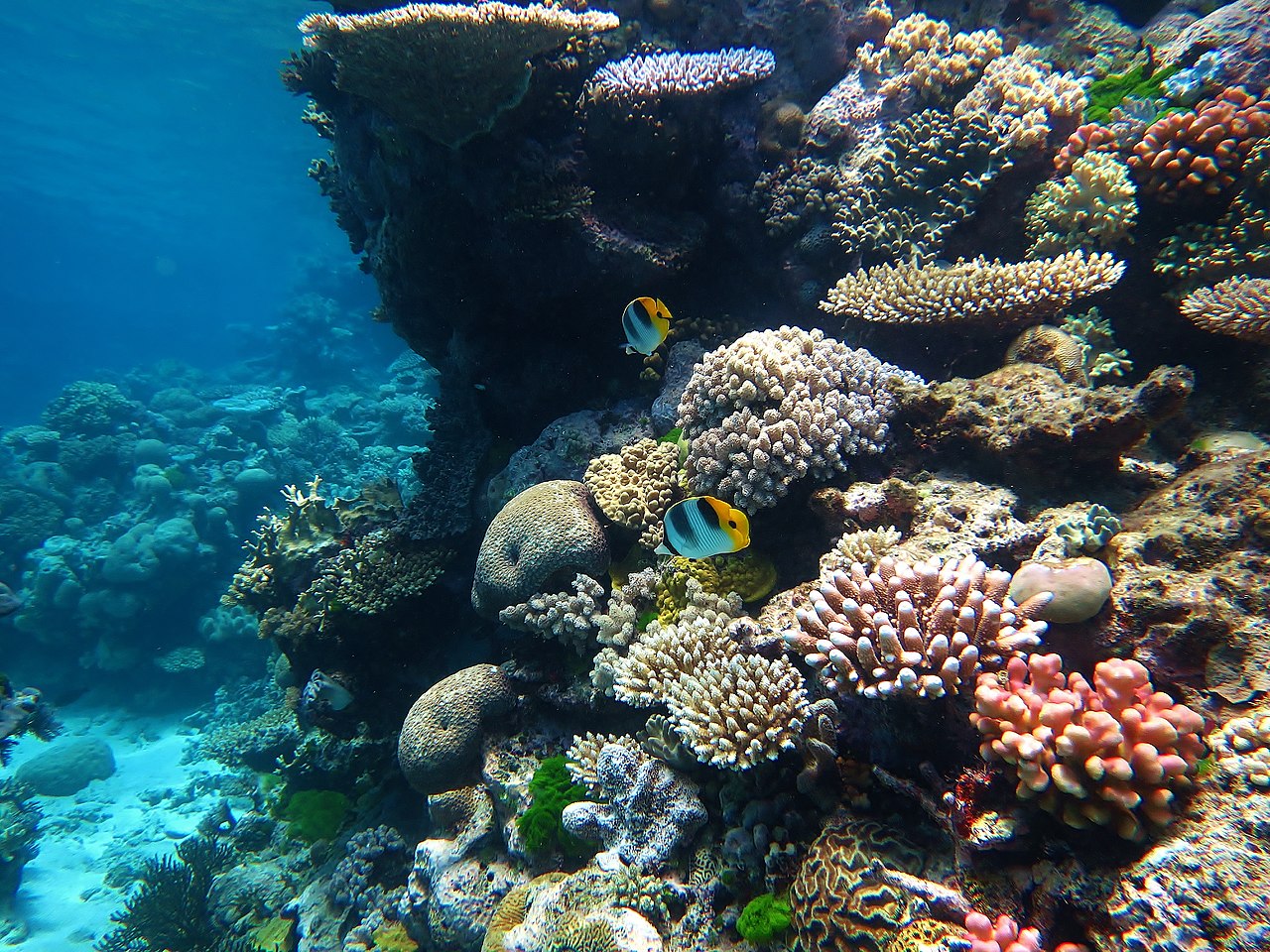
Professor Ove Hoegh-Guldberg FAA was one of the first scientists to sound the alarm on this existential threat. He was also part of a team that identified the molecular mechanism behind coral bleaching – where elevated sea temperatures cause coral to eject their algal partners, stripping the reef of its colour, turning coral from vivid to ghostly white. Repeated bleaching events take a toll, and coral often can’t recover.
The development
This knowledge shifted how we think about protecting coral reefs, explicitly connecting their survival to global climate action. The more we can reduce greenhouse gas emissions, the more we can limit warming, and the higher the change coral reefs will survive.
Insights from Traditional Knowledges and research are also shaping how we manage and protect reefs. For example, Indigenous ranger programs enable early detection of environmental stress.
Scientists are also testing interventions that might help coral reefs resist, adapt to and recover from the impacts of climate change. Through the Reef Restoration and Adaptation Program, efforts include selectively breeding corals that can tolerate higher temperatures, and seeding coral larvae to catalyse natural reef recovery at scale. These tools might extend the window for climate action – but the same scientific evidence that guides reef restoration tells us that only reducing emissions can secure the future of coral reefs.
Is the next breakthrough at risk?
Breakthroughs like this don’t happen overnight. They are the result of years or decades of discovery research supported by sustained investment.
Australia now invests significantly less in research and development than the OECD average. Without proper funding, what scientists discover on the reef won’t be turned into conservation solutions.
Send a message now and tell decision-makers: restore investment in Australian science.
Sources
Reef Restoration and Adaptation Program https://gbrrestoration.org/
Australian Institute of Marine Science. Monitoring the Great Barrier Reef. https://www.aims.gov.au/research-topics/monitoring-and-discovery/monitoring-great-barrier-reef
Australian Academy of Science. (2023). Reef futures roundtables report. https://science.org.au/our-work/resources-reports/reports-publications/reef-futures-roundtables-report
Traditional Owner Reef protection. Australian Government Department of Climate Change, Energy, the Environment and Water. https://www.dcceew.gov.au/parks-heritage/great-barrier-reef/publications/traditional-owner-reef-protection
Hoegh-Guldberg O. (1999). Climate change, coral bleaching and the future of the world's coral reefs. Marine & Freshwater Research, 50, 839–866. https://doi.org/10.1071/MF99078
Jones, R.J., Hoegh-Guldberg, O., Larkum, A.W.D. and Schreiber, U. (1998). Temperature-induced bleaching of corals begins with impairment of the CO2 fixation mechanism in zooxanthellae. Plant, Cell & Environment, 21, 1219–1230. https://doi.org/10.1046/j.1365-3040.1998.00345.x
Featured image credit: Wise Hok Wai Lum on Wikimedia Commons