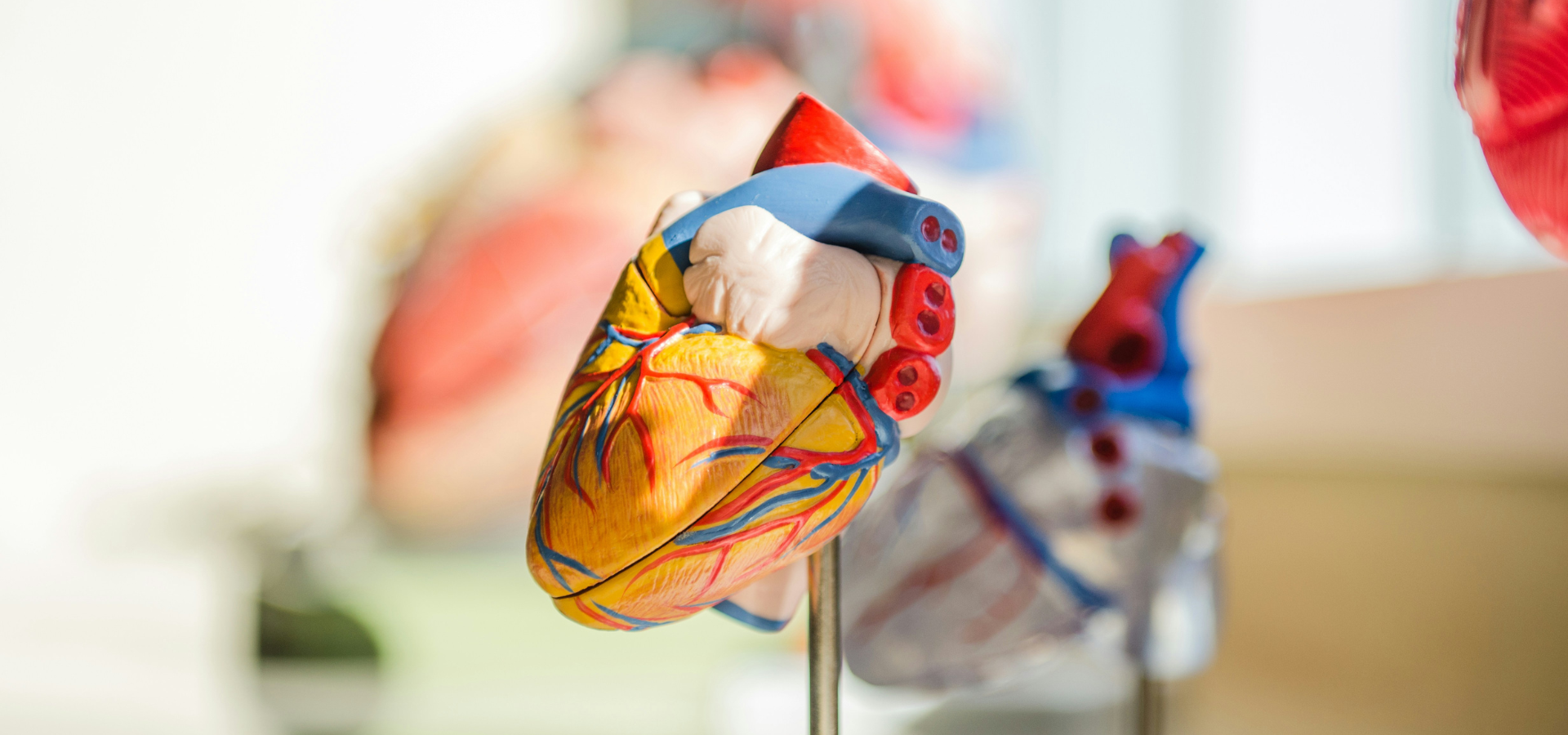
When pipe fittings became a human heart
Australian engineer Daniel Timms developed a long‑lasting titanium artificial heart from an early improvised prototype.
When conventional treatments failed, an Australian engineer asked whether an artificial heart could be simpler, smaller and built to last.
The research
After his father suffered a heart attack, Australian biomedical engineer Dr Daniel Timms reimagined how artificial hearts work.
Heart failure presents a fundamental mechanical problem: a damaged heart can no longer pump blood effectively. Yet most replacement devices are complex, bulky and prone to wear over time. For many patients, these limitations make long-term support impossible.
Could an artificial heart support circulation reliably and indefinitely? Rather than copying the structure of the human heart, Timms, then a PhD student at Queensland University of Technology, focused on the basic task it performs: moving blood continuously through the body.
His early research explored whether a single moving component could replace the multiple valves and chambers found in existing devices. By studying fluid dynamics and blood compatibility, he investigated how flow could be maintained while reducing mechanical stress and friction. These principles guided the design of a pump that could operate efficiently without the complex internal mechanisms that often fail over time.
The development
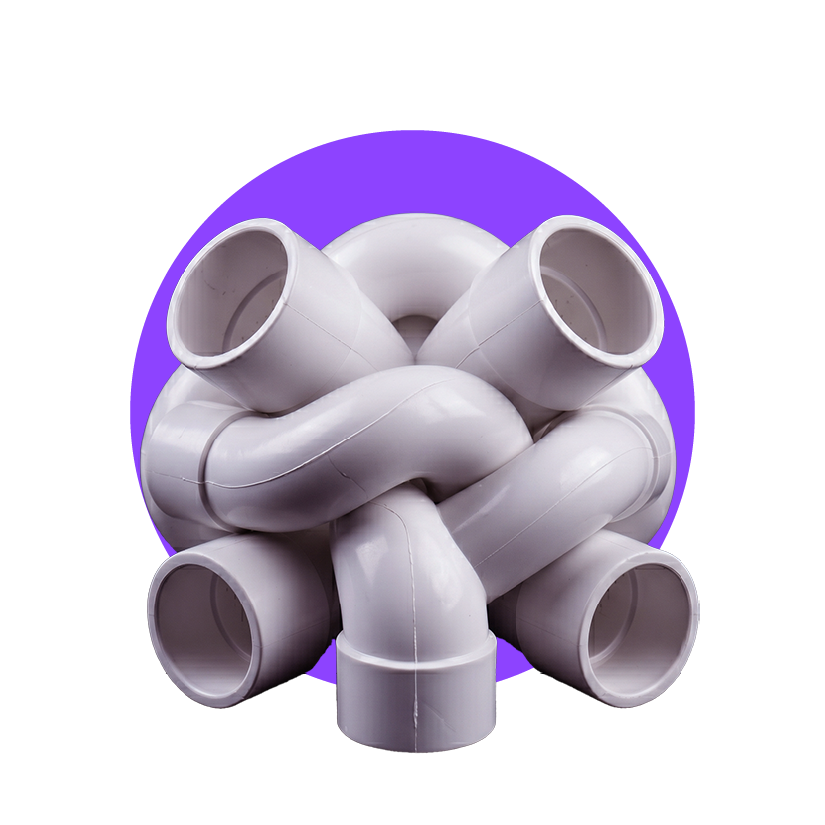
To test his ideas quickly and practically, Timms began building early prototypes using readily available components. He visited a local hardware store and bought pipe fittings to assemble a simple working model that could demonstrate whether his design principles held up in practice.
These early builds were proof-of-concept tools – not final devices – allowing Timms to test flow, robustness, and mechanical behaviour without the delays of custom manufacturing. The results showed that a simpler design could work.
From these experiments, the artificial heart evolved into a compact titanium device engineered for long-term use, called BiVACOR. Timms founded a company, also called BiVACOR, in 2008 to progress the total artificial heart.
As the design was refined, it moved from workshop testing into clinical development, with a focus on durability, blood safety and continuous operation.
The BiVACOR Total Artificial Heart is now in early trials in its first human patients – deployed as a ‘bridge’ to keep end-stage heart failure patients alive while awaiting transplants. In 2024–25, after surgery at St Vincent’s Hospital in Sydney, one man lived for more than 100 days with the titanium heart pumping blood inside him, allowing him to go home until a donor heart became available. Timms and BiVACOR Pty Ltd continue to collaborate with Australian researchers and clinicians through the Artificial Heart Frontiers Program. From Timms’ first idea to the first handful of patients, this lifesaving breakthrough was more than 20 years in the making.

Is the next breakthrough at risk?
Breakthroughs like this don’t happen overnight. They are the result of years or decades of discovery research supported by sustained investment.
Australia now invests significantly less in research and development than the OECD average. Without proper funding, discoveries like this one will never go beyond kitchen-bench prototypes.
Send a message now and tell decision-makers: restore investment in Australian science.
Sources
Sydney Morning Herald. His dad was dying, so Daniel built a world‑first artificial heart with pipes and magnets. 2024. https://www.smh.com.au/healthcare/his-dad-was-dying-so-daniel-built-a-world-first-artificial-heart-with-pipes-and-magnets-20240215-p5f54u.html
BiVACOR. https://bivacor.com/
Artificial Heart Frontiers Program. https://www.monash.edu/artificial-heart-frontiers-program
Monash University. (12 March 2025). Australia’s first durable total artificial heart implant announced as a success. https://www.monash.edu/news/articles/australias-first-durable-total-artificial-heart-implant-announced-as-a-success
SBS News. Record breaking artificial heart implant is a life-saver. 2025. https://www.sbs.com.au/news/podcast-episode/record-breaking-artificial-heart-implant-is-a-live-saver/sfae8daaf